
Since the 1930s
The Dynamic Aviation Story
Scroll to move through eight decades — from a single crop-duster to a global fleet.
Since the 1930s
Eighty Years Aloft
It started with one biplane, a tank of dust, and a family that never stopped flying. Scroll to travel the story of Dynamic Aviation — drawn straight from the company archive.
1935
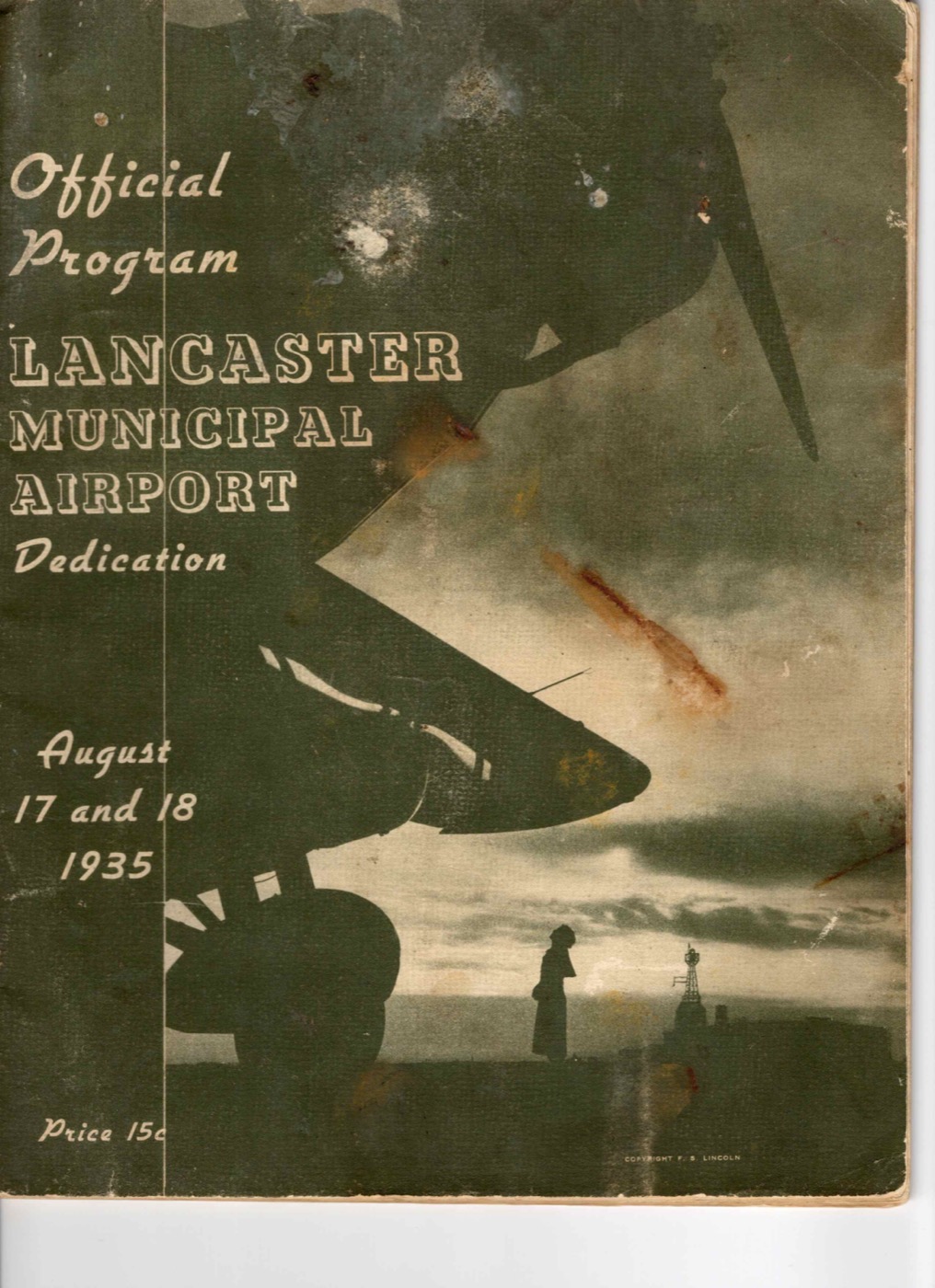
Dedication weekend at the new Lancaster airport — August 17 & 18, 1935. Half the county came out just to look at airplanes. Somebody thought to keep the program.
Company Archive
1935
It began with a runway
On an August weekend in 1935, Lancaster County dedicated its new municipal airport. In that same stretch of Pennsylvania farm country, a young Chris Stoltzfus was learning that an airplane could be more than a machine — it could be a living.
01 / 13
1940s
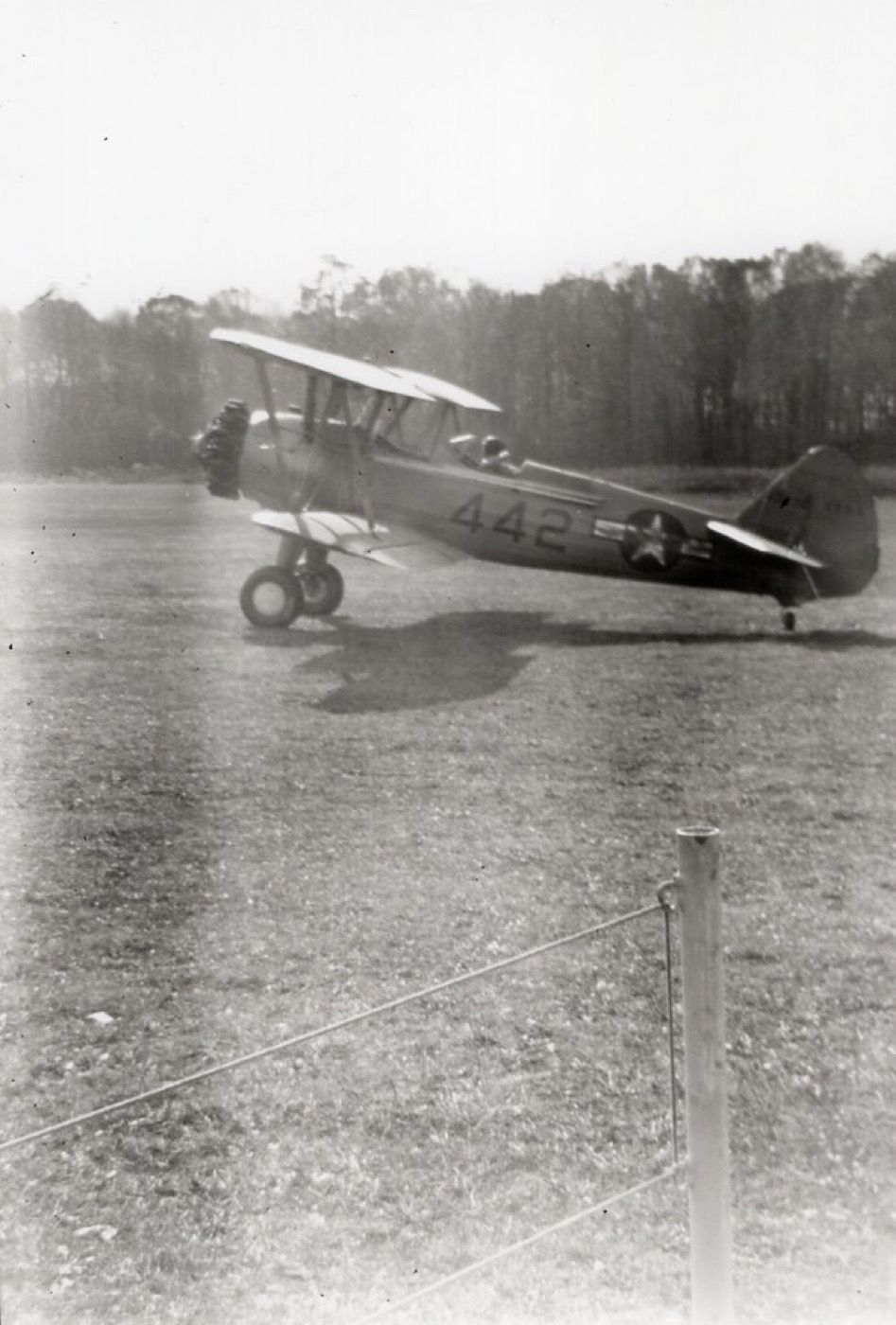
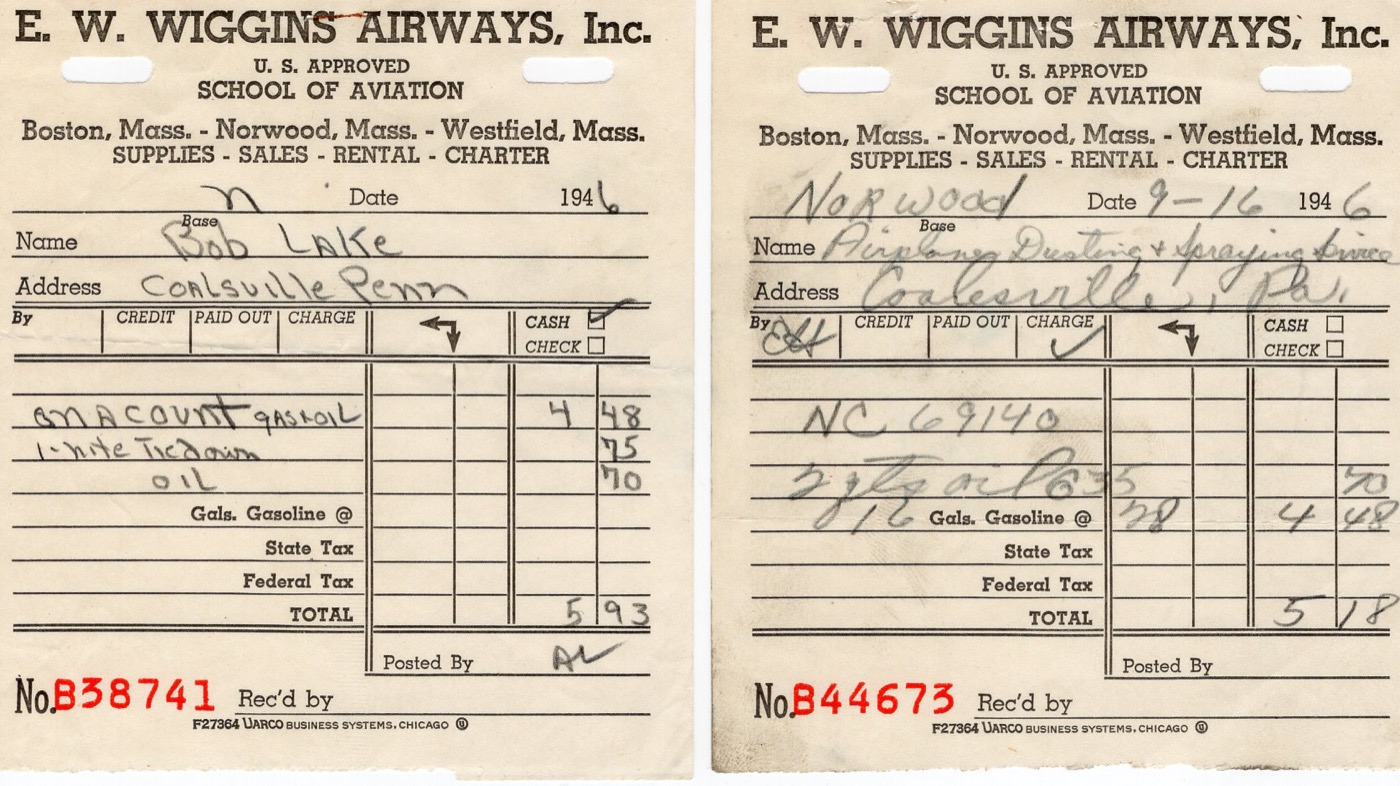
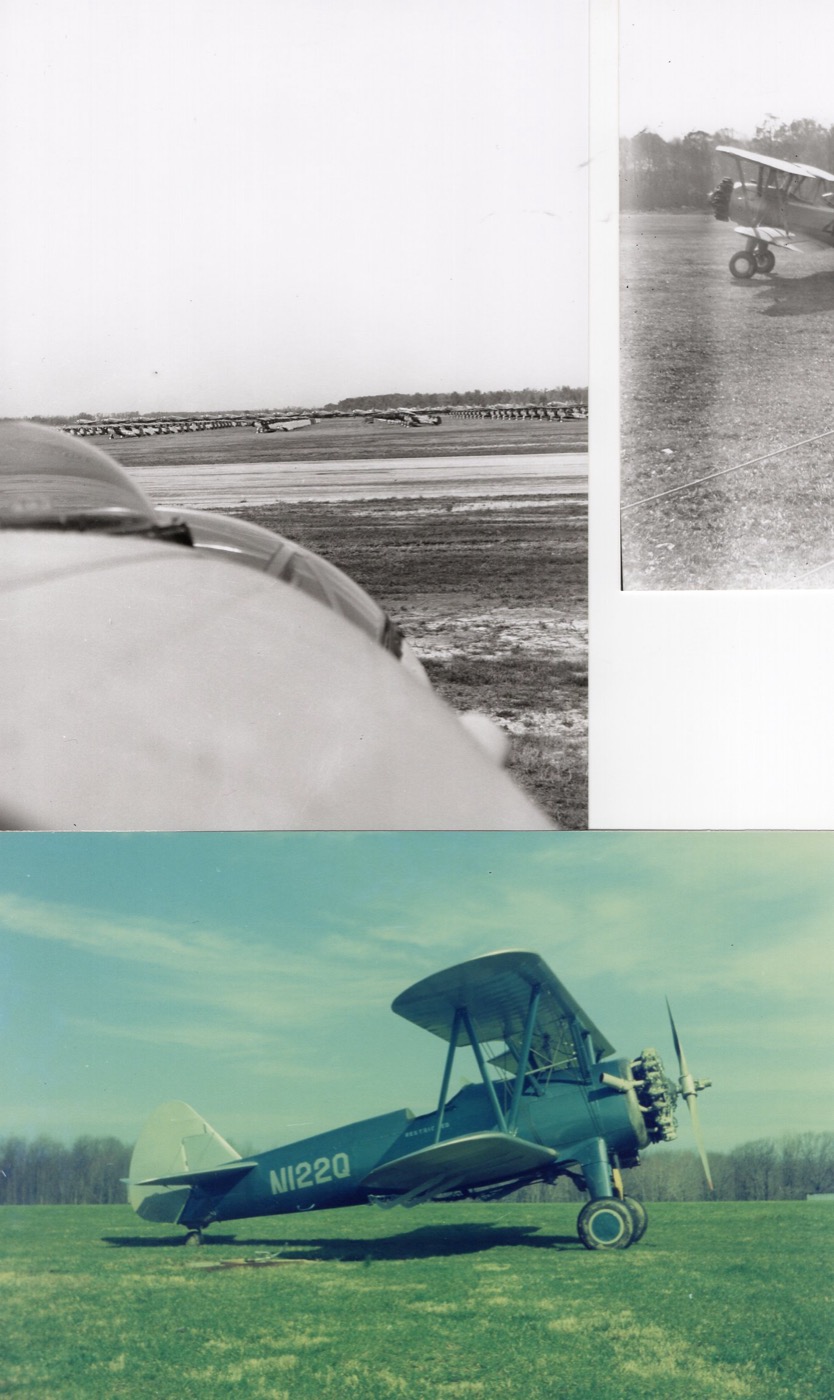
Surplus Stearman '442', fresh out of Navy paint. The Wiggins Airways fuel bills tell the real story — every gallon counted in 1946. Karl arrived that same September.
Company Archive
1940s
A flier's first ledger
The earliest records aren't glamorous — fuel invoices, billing letters, a statement from Wiggins Airways. But they mark the moment flying stopped being a hobby and became a business, one gallon of avgas at a time.
02 / 13
1950
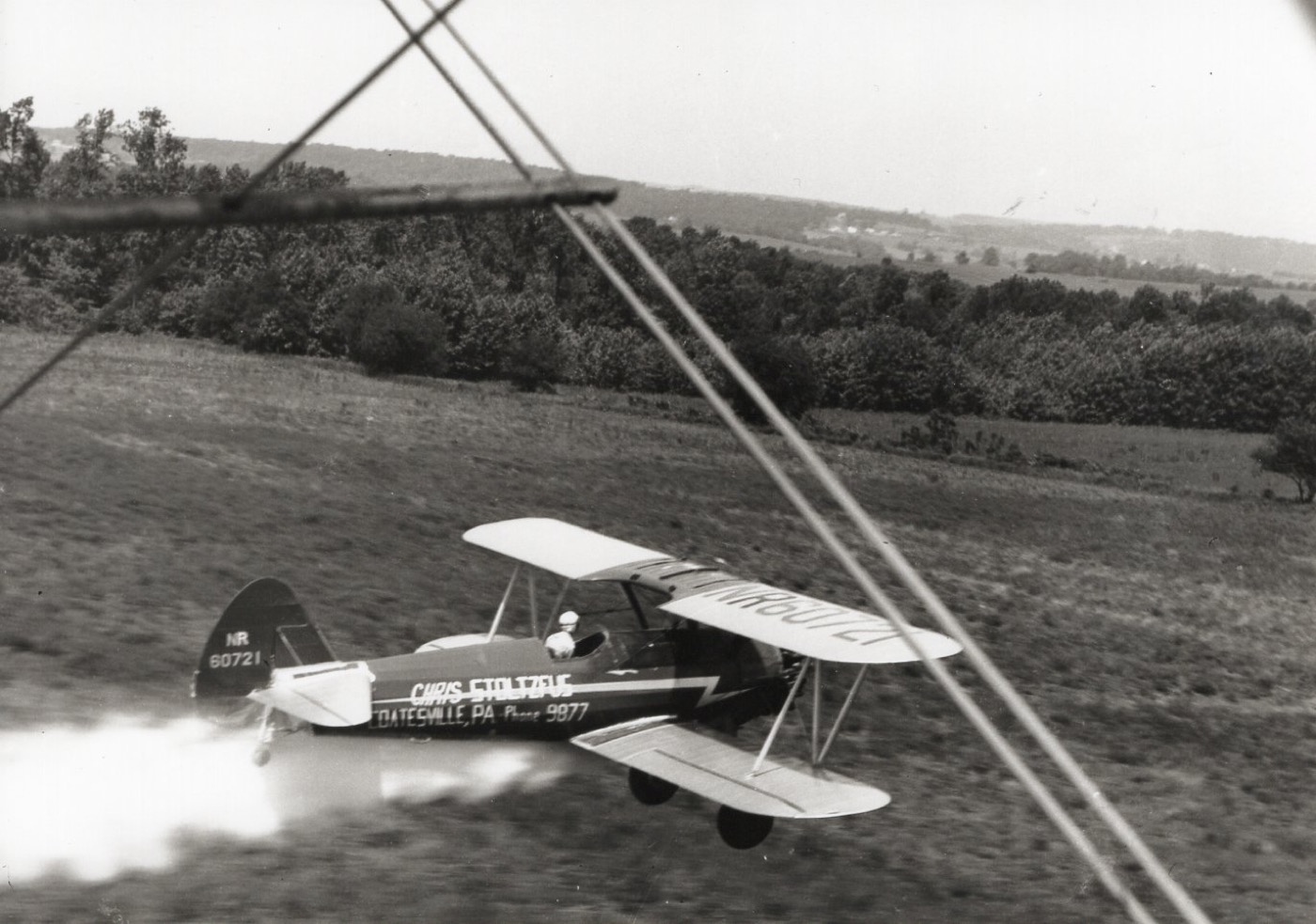
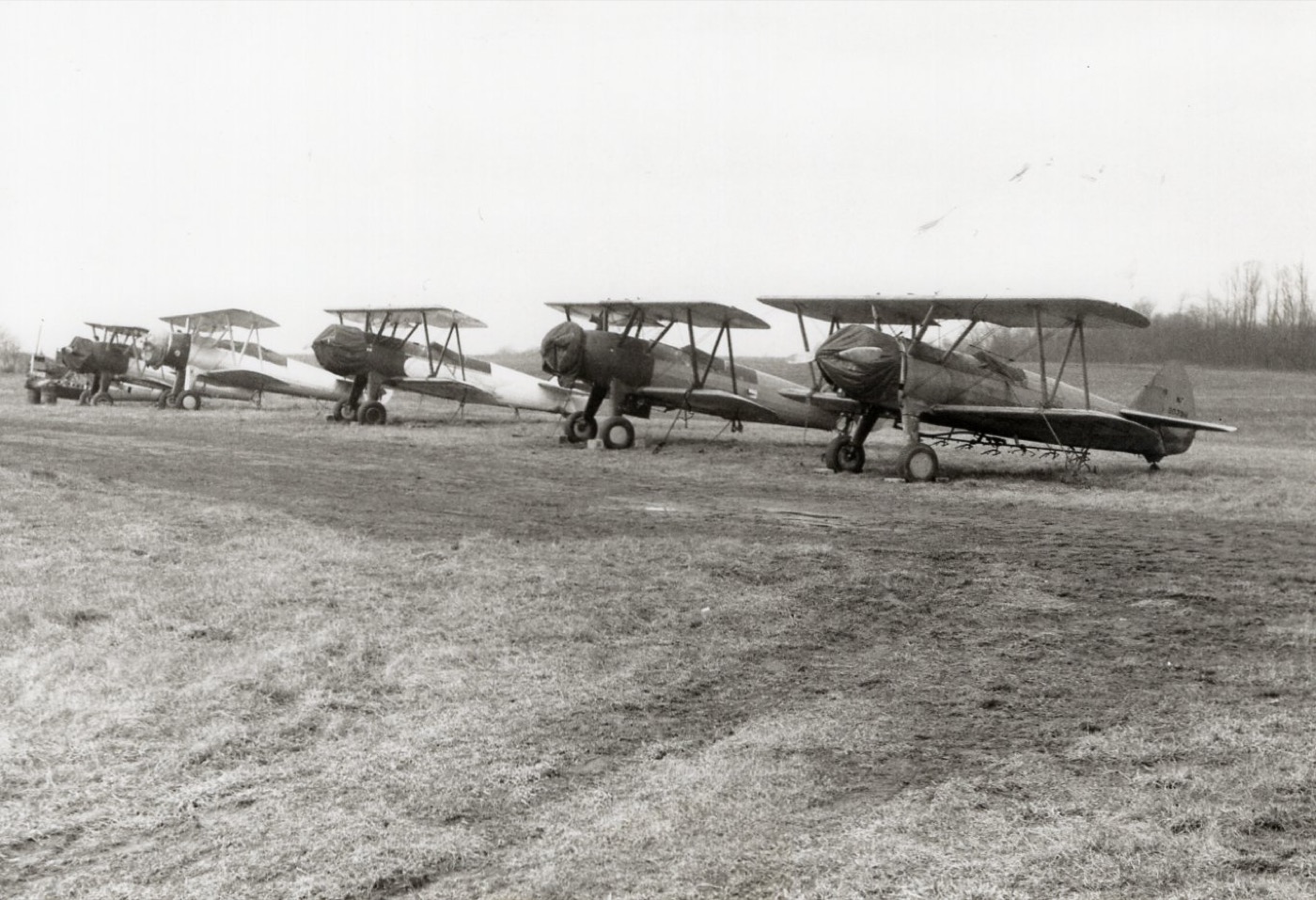
NR60721 working low over the home valley. Chris had his name and the phone — Coatesville 9877 — painted right on her side. If you saw the airplane, you knew who to call.
Company Archive
1950
The Coatesville duster
By 1950, Chris Stoltzfus was crop-dusting the valleys out of Coatesville, Pennsylvania — his name and phone number, 9877, painted right on the fuselage. Low, loud, and precise, the Stearman fleet worked field after field across the Northeast.
03 / 13
1951
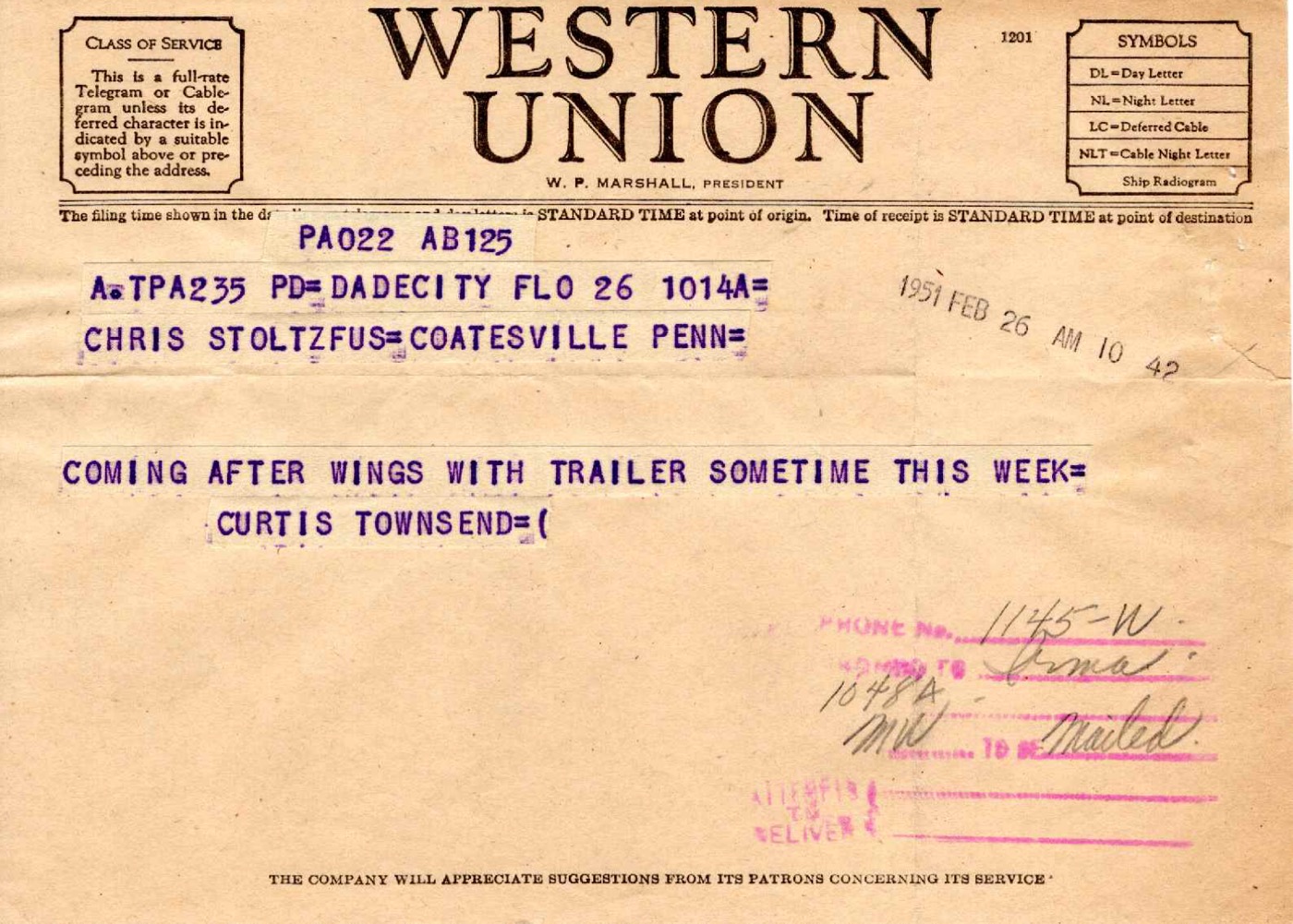
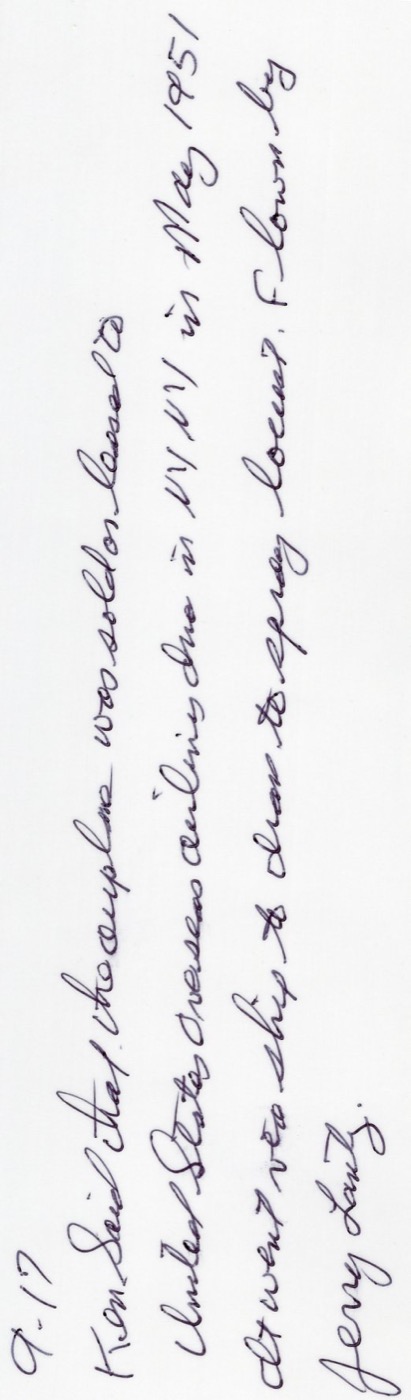
The note on the photo back says it plain: Stearmans crated whole and shipped to Iran to fight the locusts. Curtis Townsend wired ahead — 'coming after wings with trailer sometime this week.'
Company Archive
1951
From cornfields to continents
The reputation traveled. In 1951, Stearmans were crated up and shipped clear to Iran to fight a locust plague — the first sign that this small Pennsylvania outfit would one day fly the whole world.
04 / 13
1955
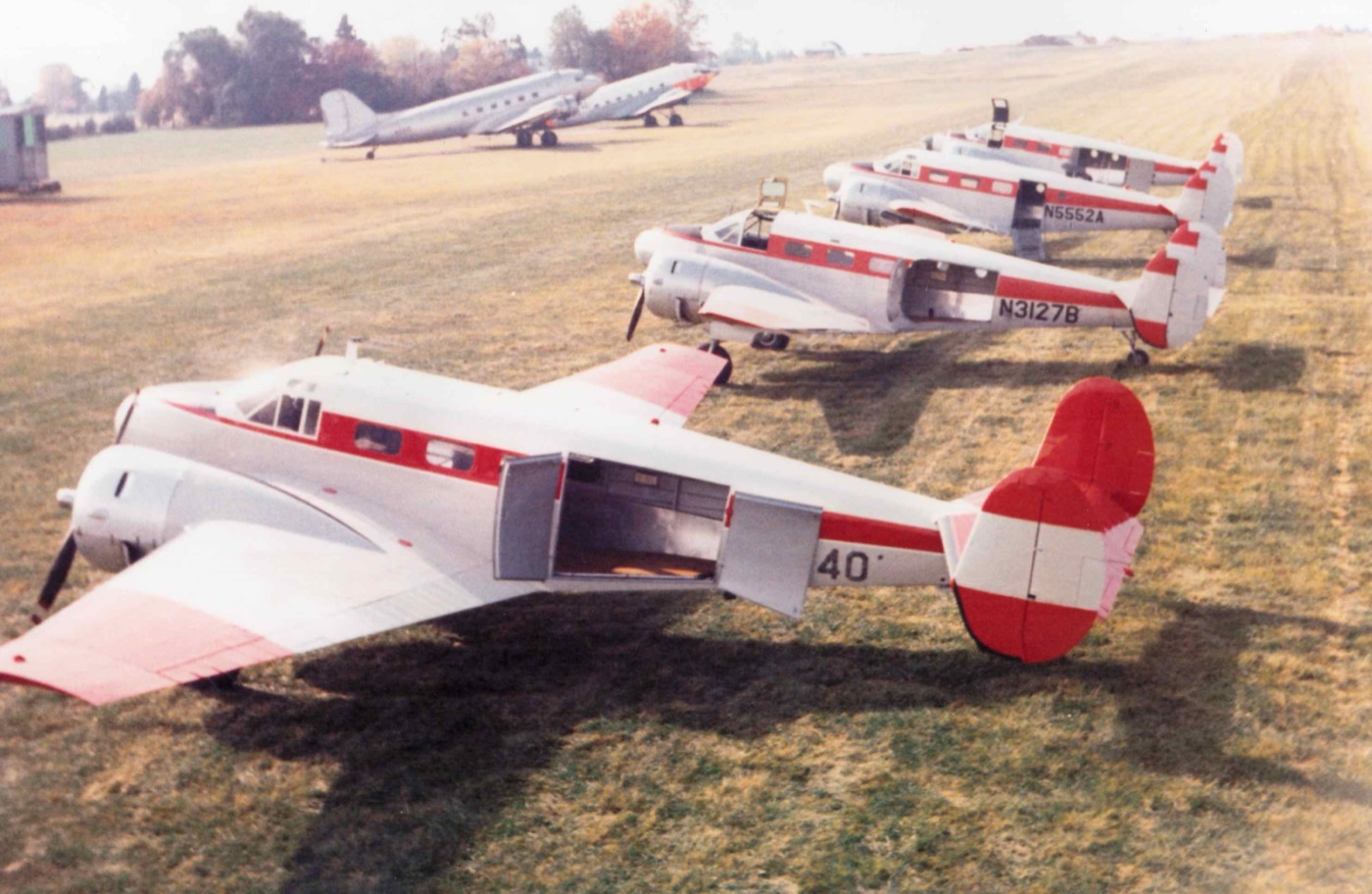
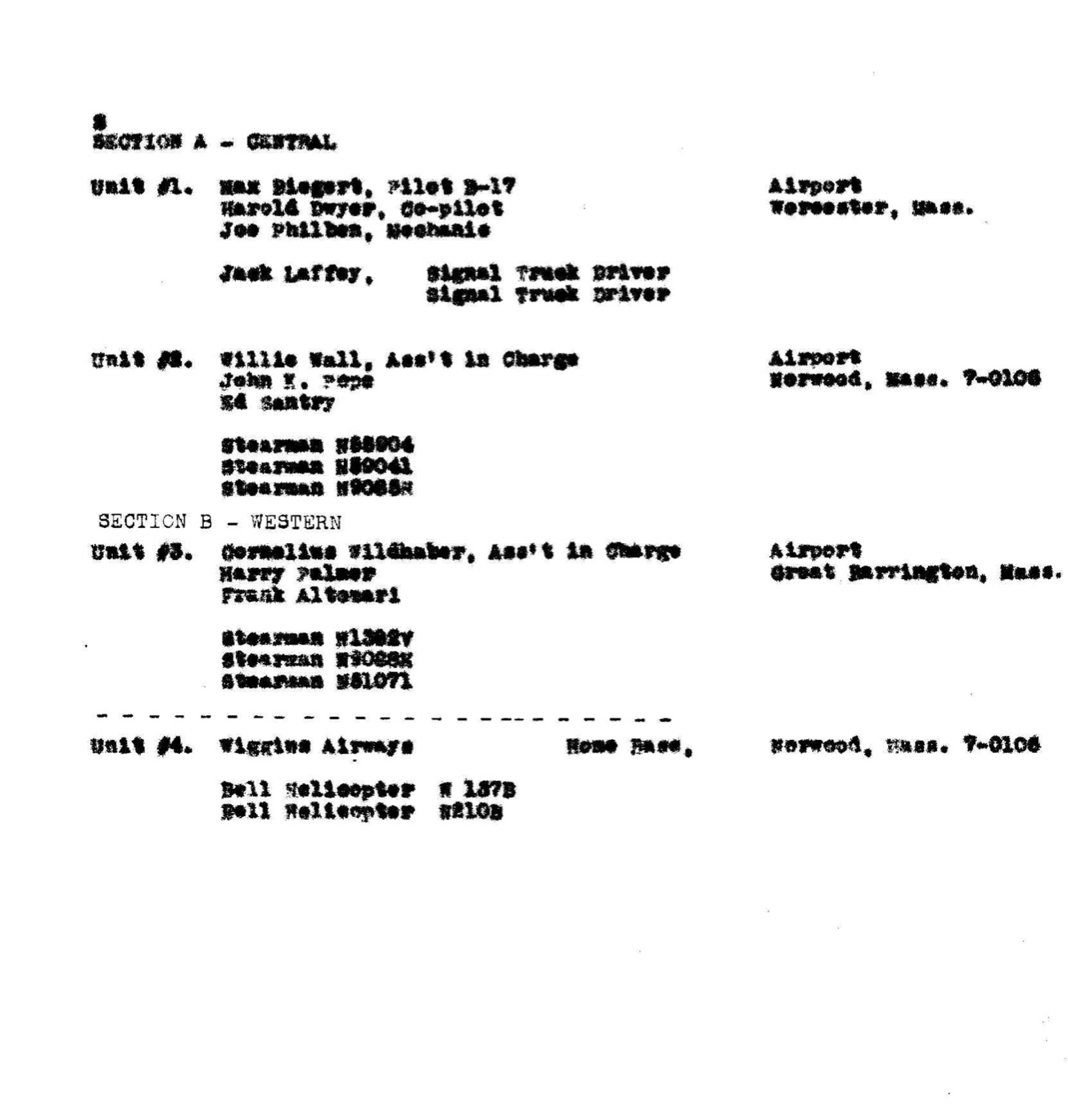
Massachusetts, spring of '55. Every unit had its colors, its planes, and its pilots typed out on a roster, and the spray reports came in daily. The gypsy moth never stood a chance.
Company Archive
1955
The Gypsy Moth campaign
Massachusetts, 1955: a full-scale aerial war on the gypsy moth. Daily spray reports, unit rosters, colors and registrations by squadron — the paperwork of an operation that had outgrown a single duster and become a fleet with a chain of command.
05 / 13
1956
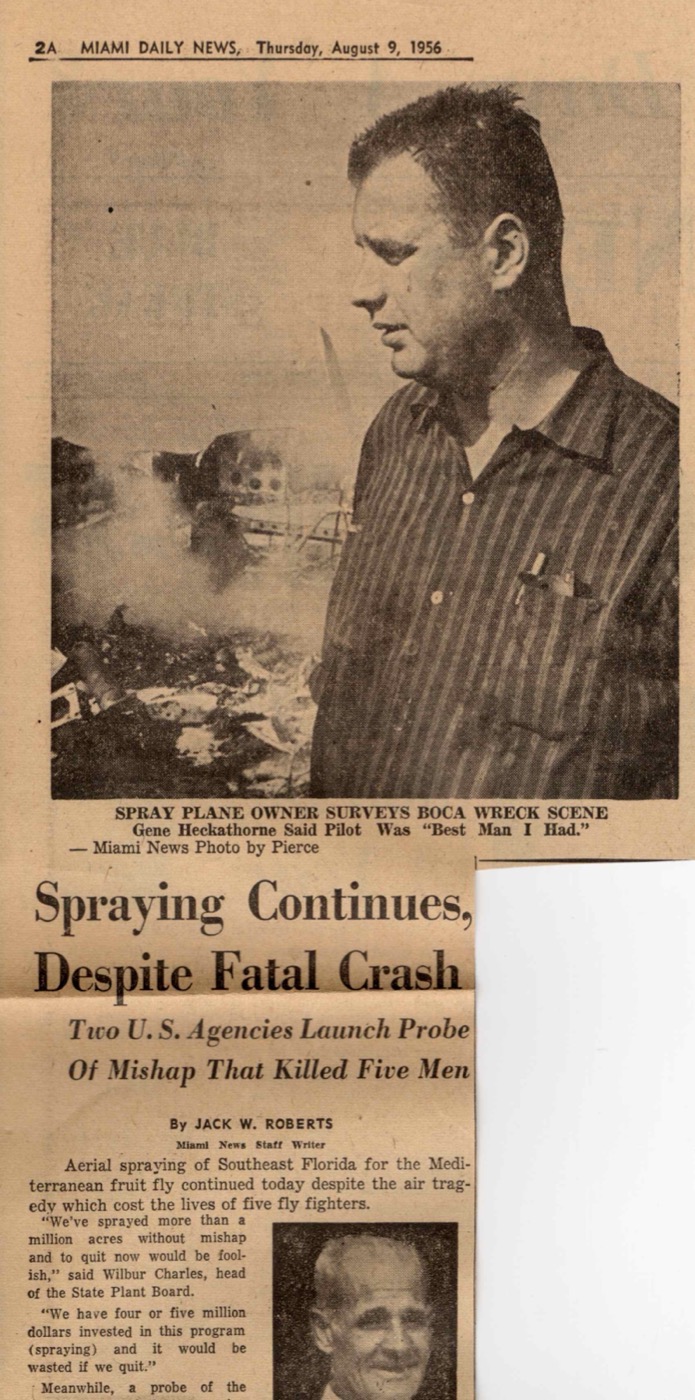
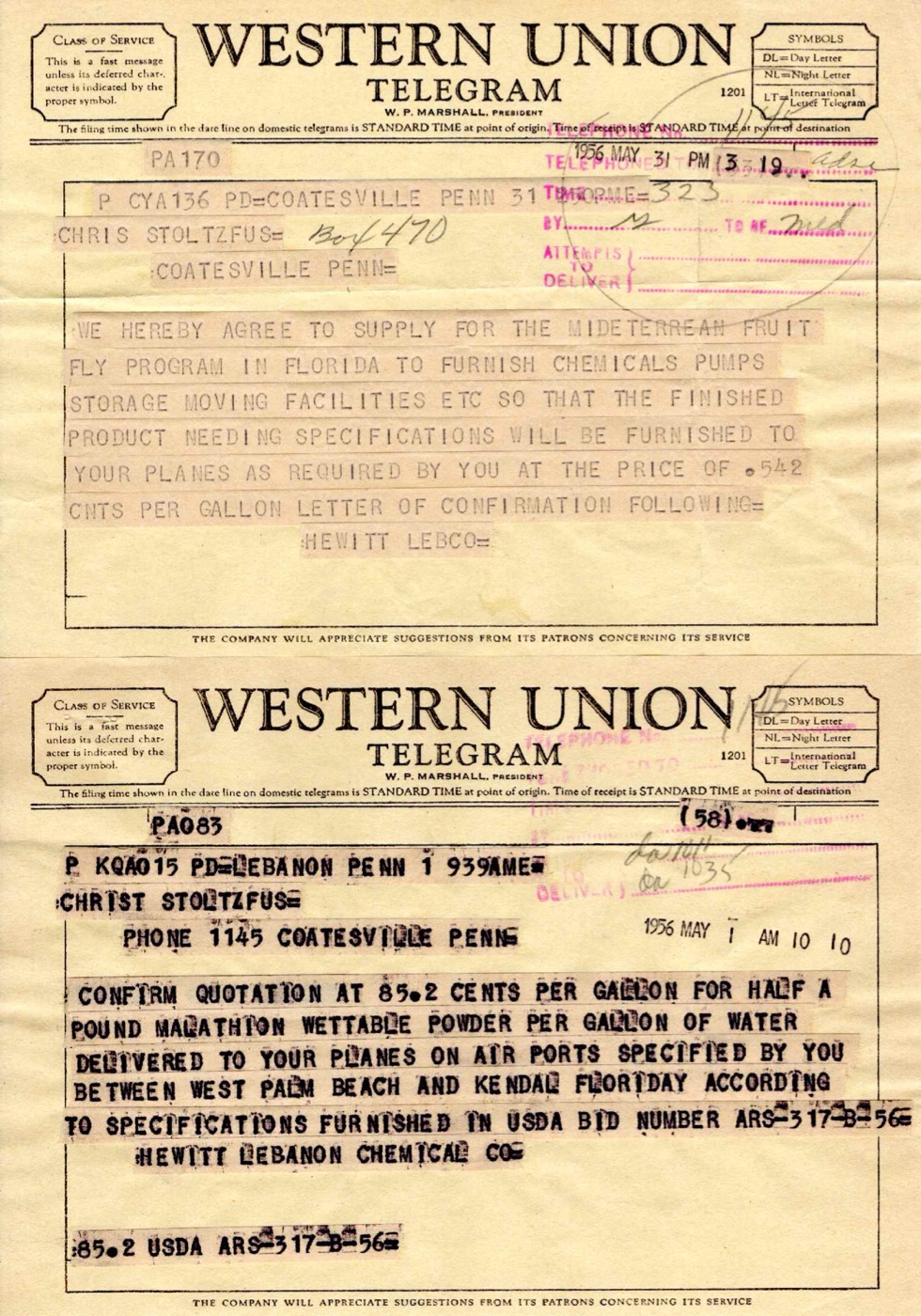
Florida, summer of '56 — Area No. 3 went to Aero Crop Service. We lost a good pilot near Boca that August. The papers wrote that the spraying continued the next morning. It did.
Company Archive
1956
War on the Med Fly
When the Mediterranean fruit fly threatened Florida's citrus, Aero Crop Service won the contract for Area No. 3 and put its aircraft in the air with tanks of malathion. The work was relentless — and dangerous. When a pilot was lost near Boca, the spraying continued the next morning.
06 / 13
1956
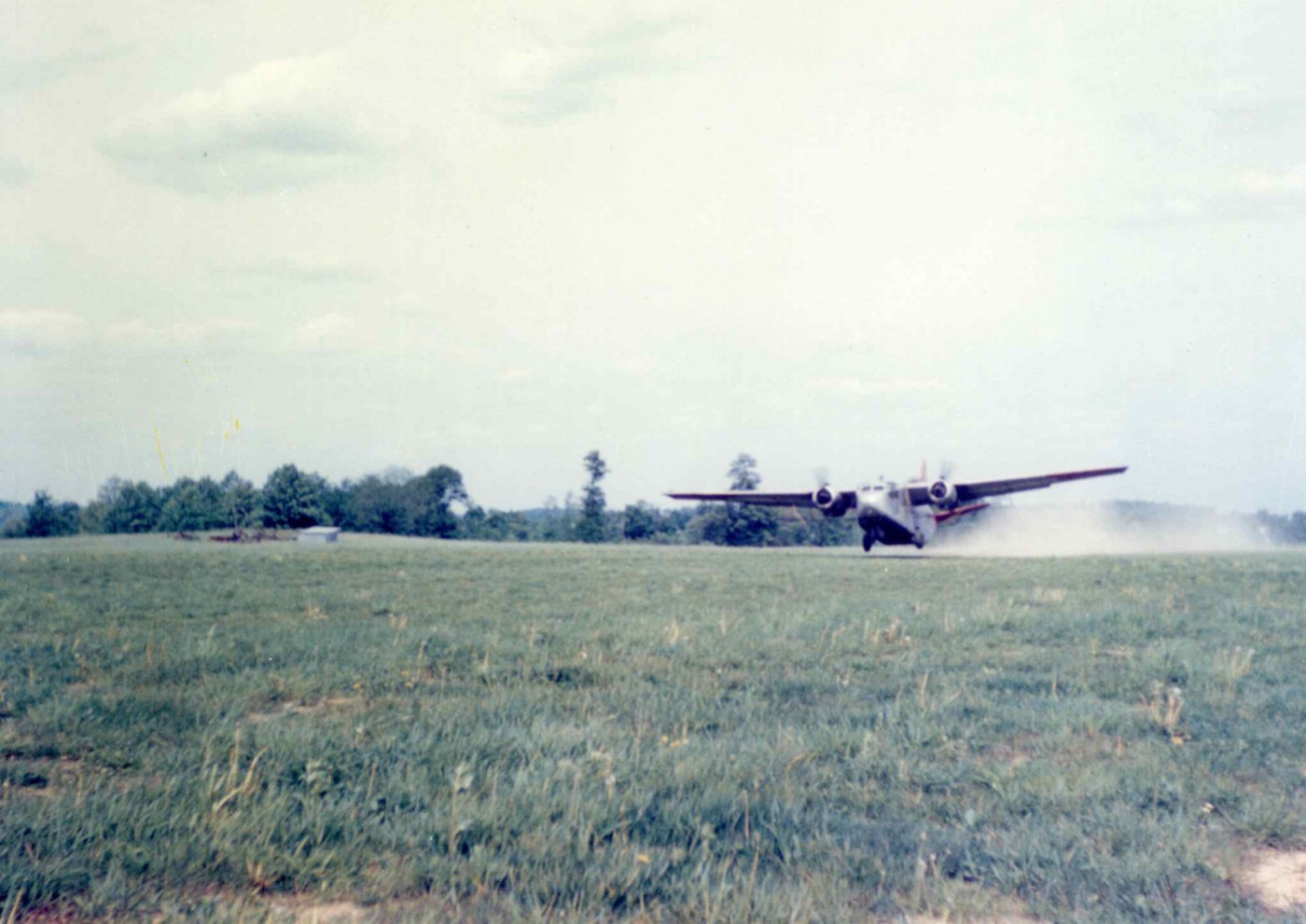
Chris wrote straight to Senator Duff about the surplus YC-122s. The Air Force bill of sale came through that November — N122S. He never met an airplane he couldn't put to work.
Company Archive
1956
Surplus wings
To fly bigger jobs, you need bigger airplanes. Stoltzfus wrote to senators, bid at government surplus sales, and brought home military castoffs like the Chase YC-122 Avitruc — converting warbirds into workhorses long before it was fashionable.
07 / 13
1960
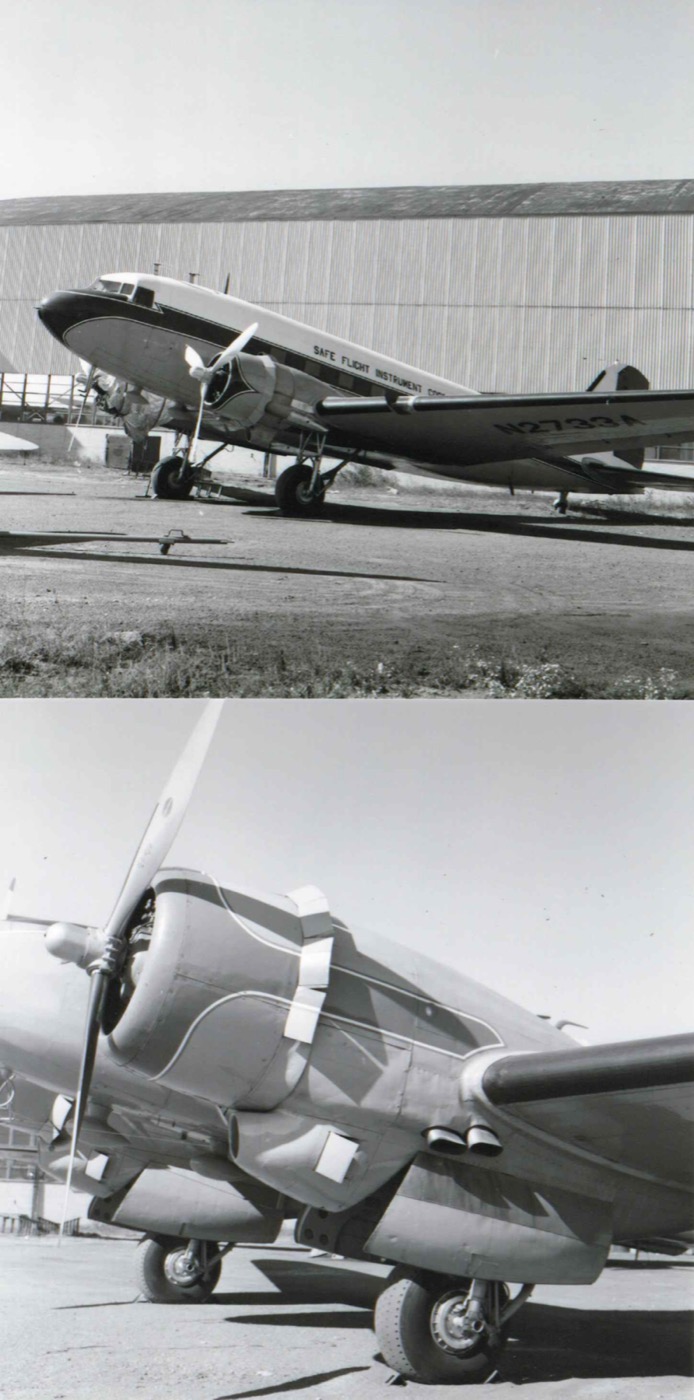
N2733A — the first Stoltzfus DC-3. Same year the name went formal: Chris D. Stoltzfus & Associates, filed May 2, 1960. The Douglas twins changed everything.
Company Archive
1960
Chris D. Stoltzfus & Associates
The company took its formal name in 1960 and kept scaling. Surplus DC-3s and C-47s joined the fleet — the Douglas twins that hauled freight in every corner of the world now rigged for spray work over American fields and forests.
08 / 13
1962
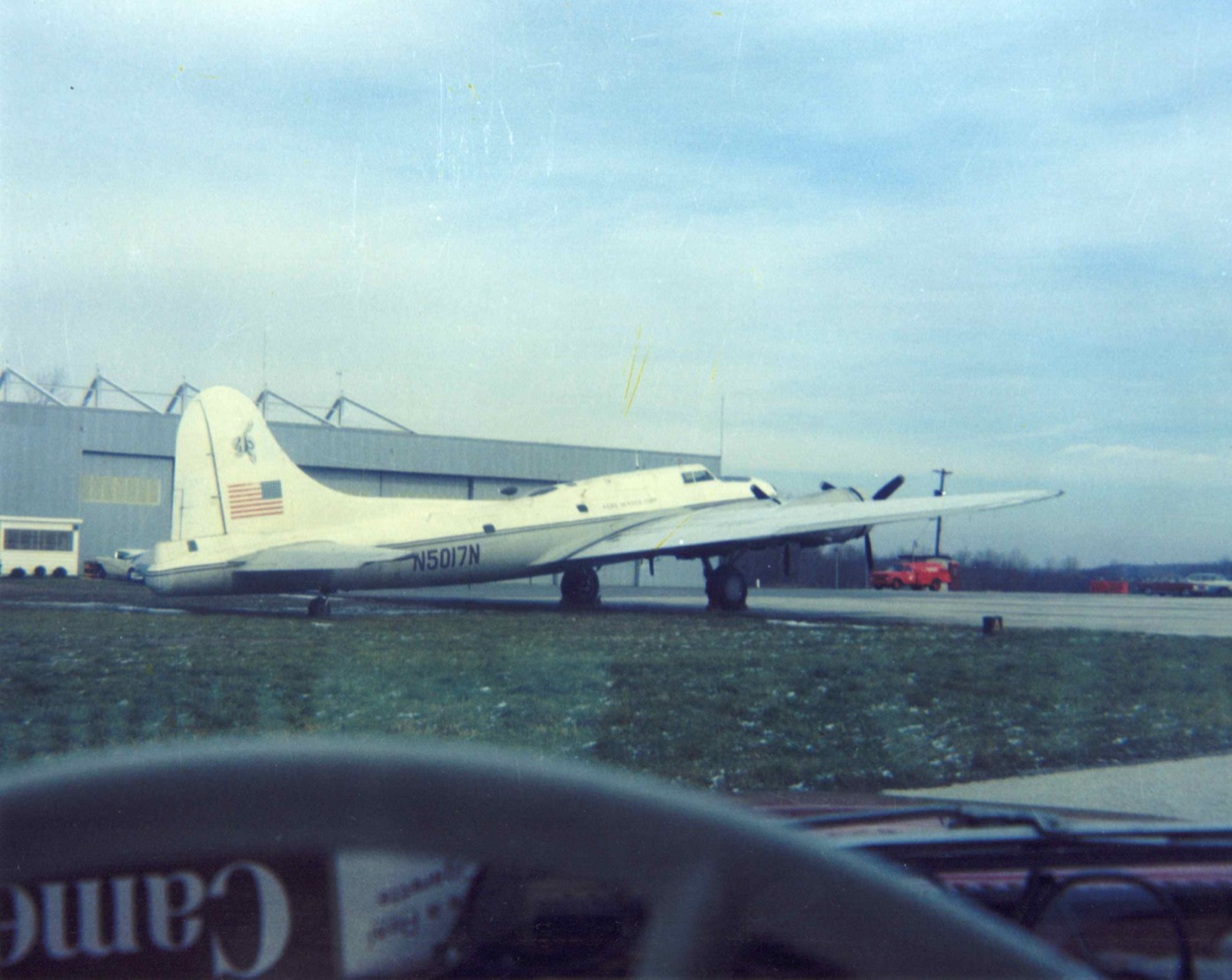
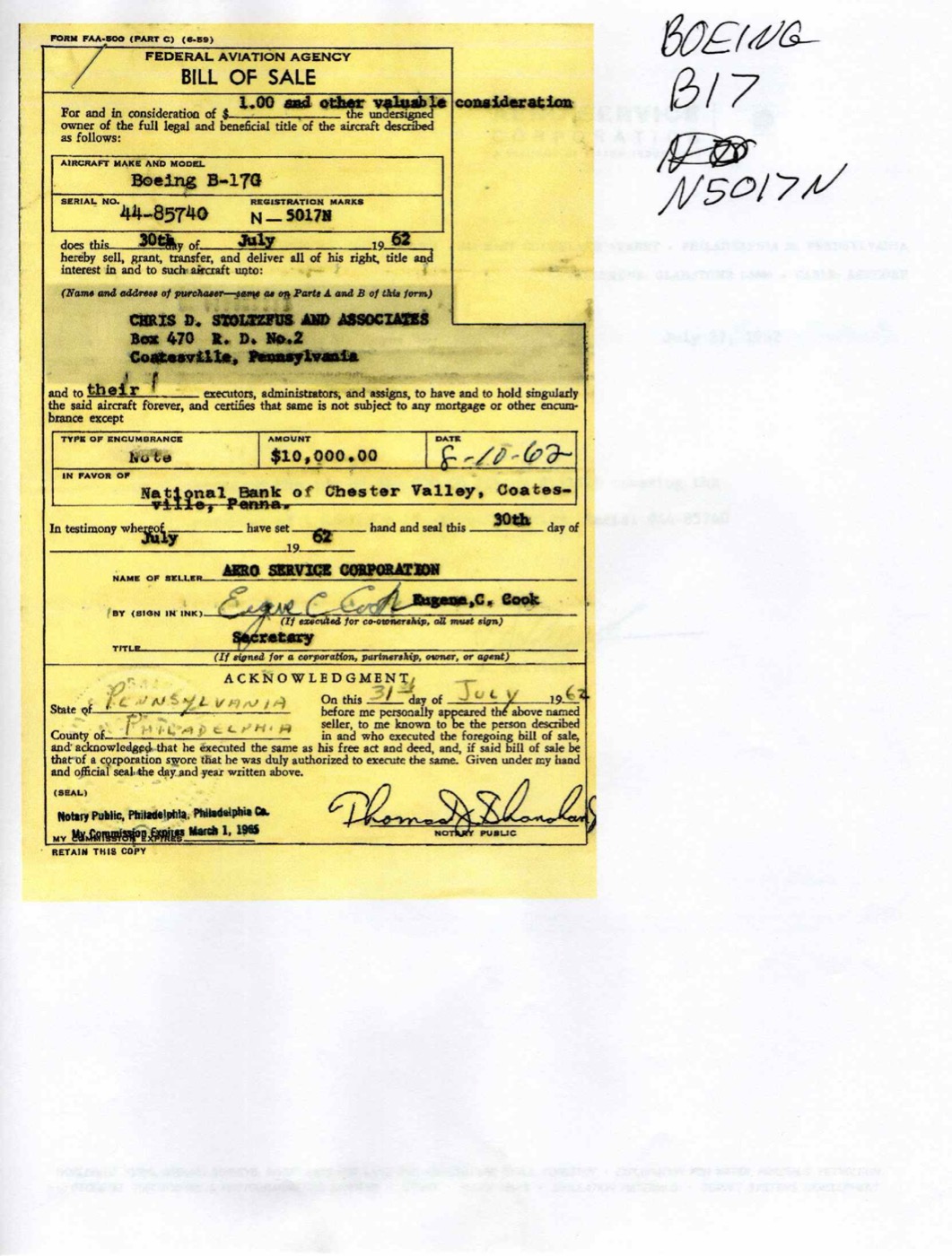
A Flying Fortress on a grass strip. N5017N, signed over from Aero Service Corporation on July 30, 1962. Four engines — the neighbors came out every time she ran up.
Company Archive
1962
The Flying Fortress
In July 1962 the company bought a Boeing B-17G — tail number N5017N. A four-engine heavy bomber, retired from war and pressed back into service. Few crop operators in America could say they flew a Flying Fortress.
09 / 13
1965
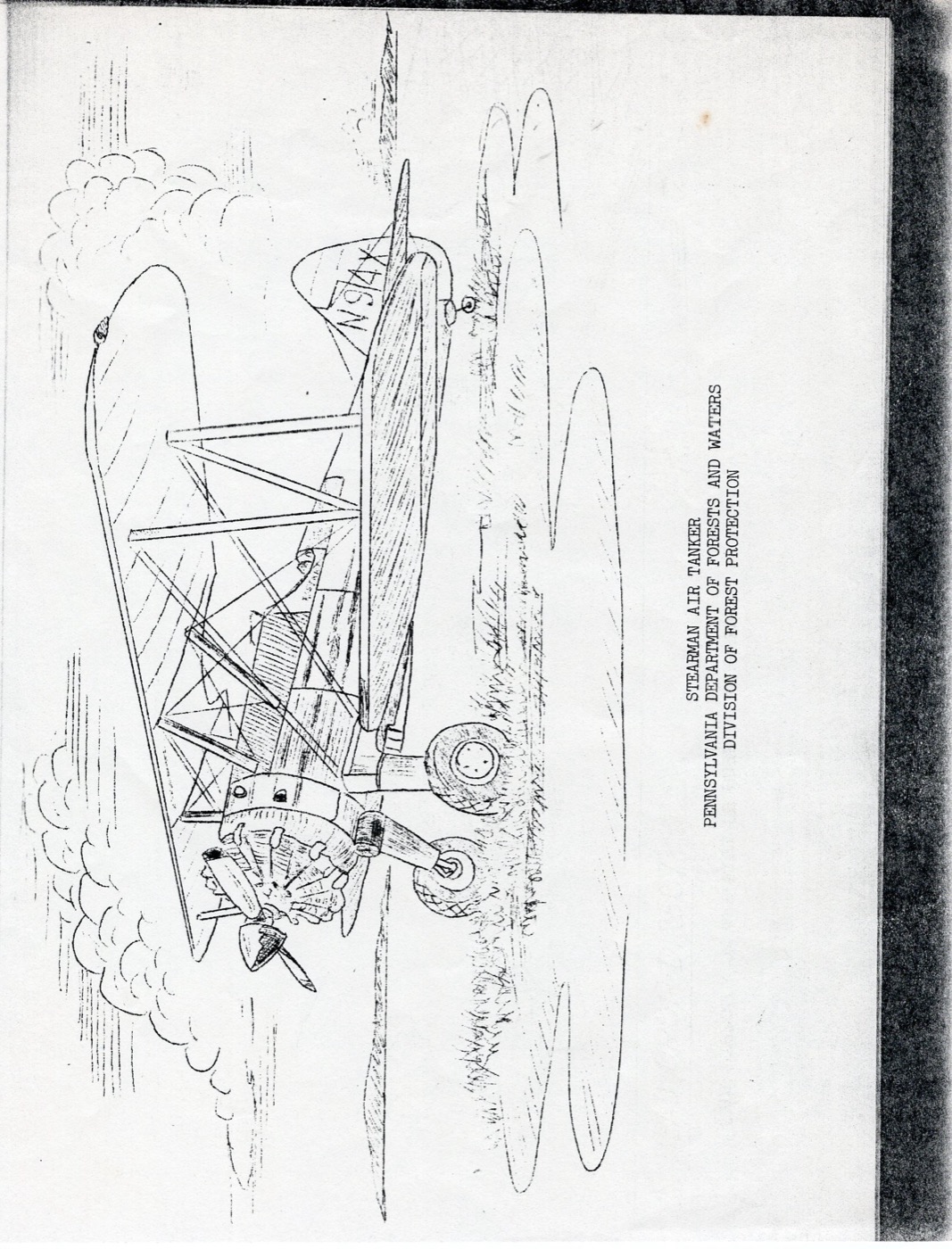
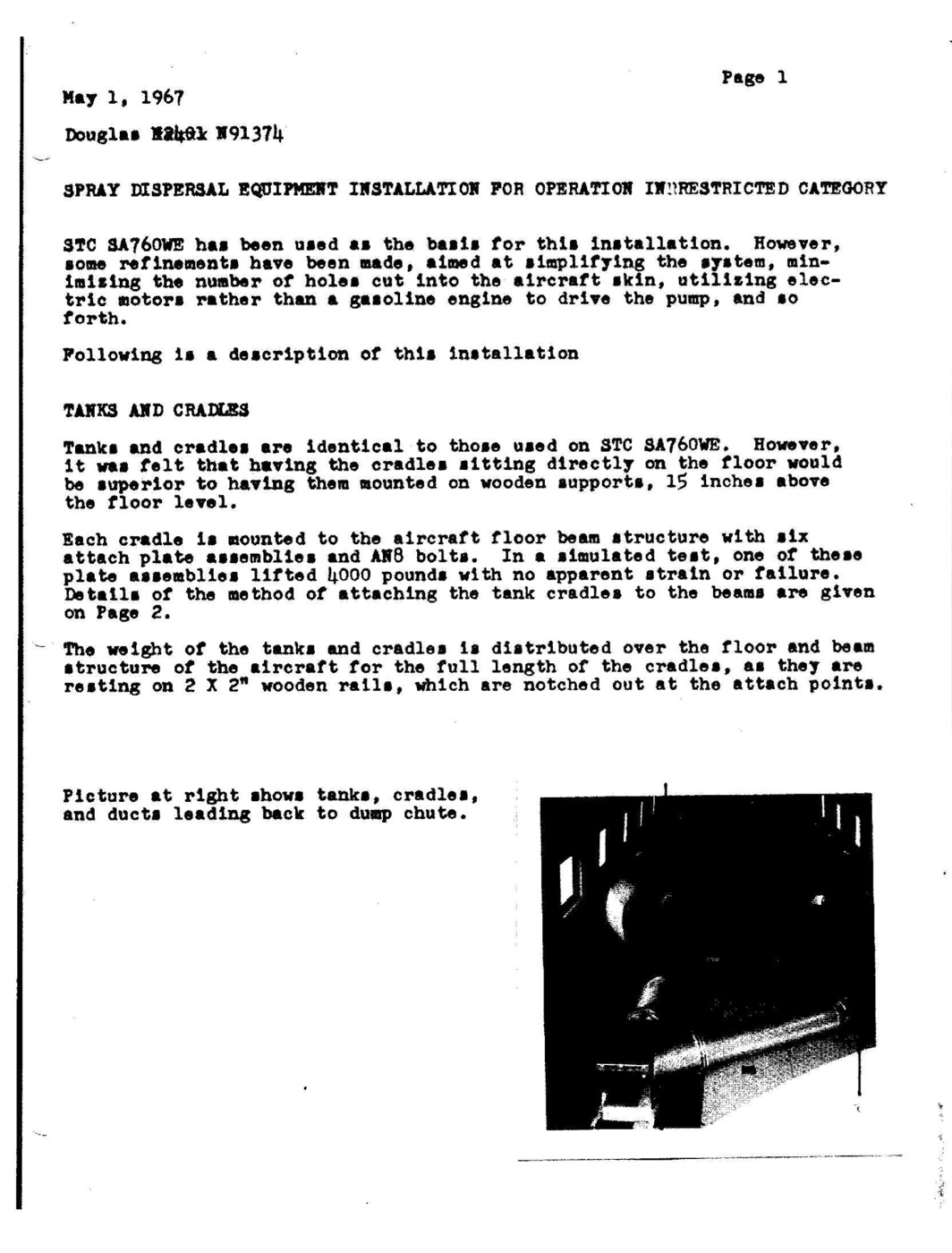
N94X sketched up as an air tanker for the Pennsylvania forests. The dispersal gear was ours end to end — booms, tanks, valves — drawn, installed, and certified in-house.
Company Archive
1965
Built to drop a load
Spraying and fire work demanded custom engineering. The company designed and installed its own dispersal systems — booms, tanks, valves — certifying aircraft in the restricted category to carry and release exactly what the mission required.
10 / 13
1969
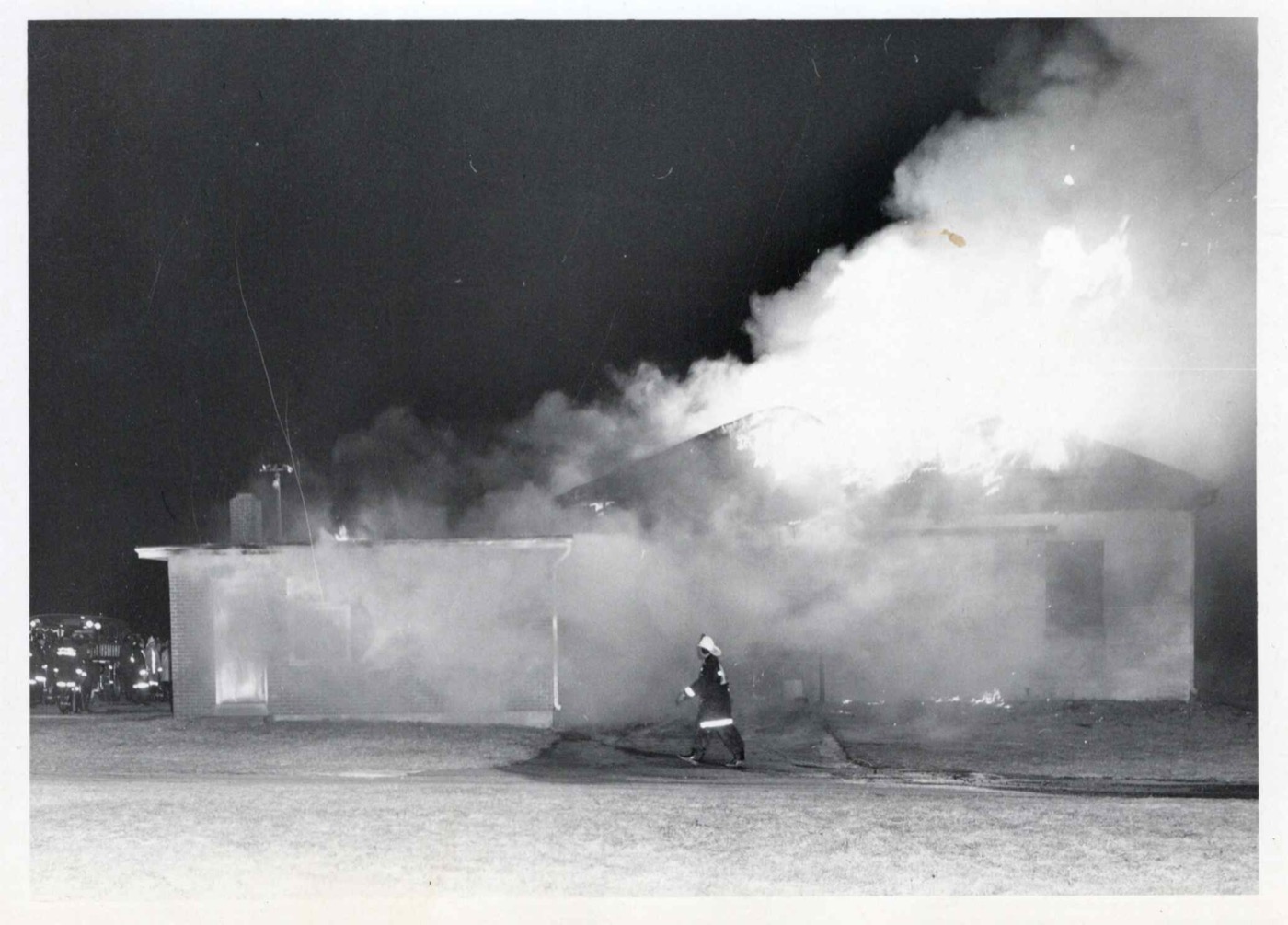
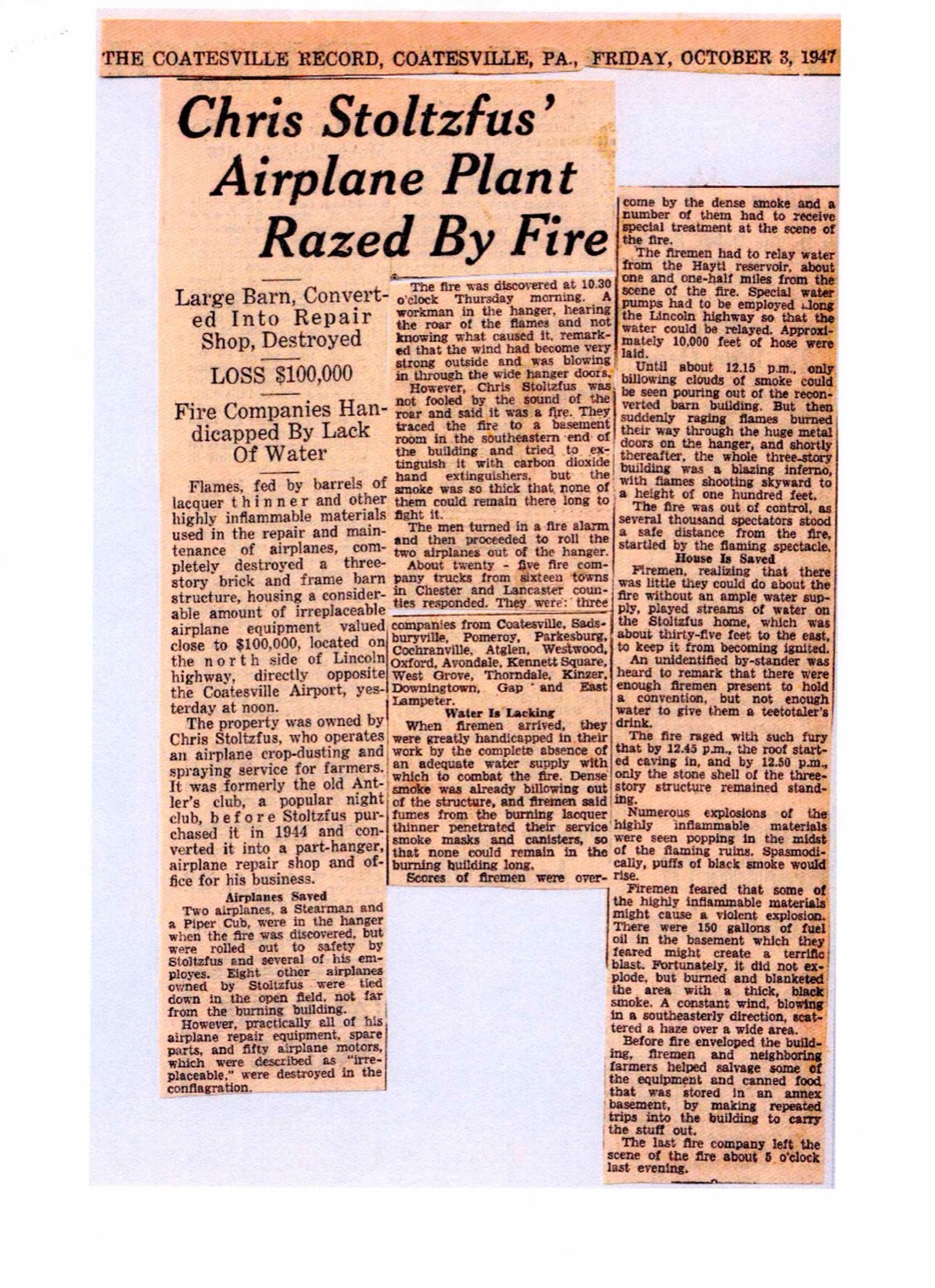
The night the plant burned — October 3, 1969, the second fire that year. The letter to customers went out the same week: we are still here, and we are still flying.
Company Archive
1969
Trial by fire
1969 tested everything. Fire tore through the Coatesville airport office and warehouse in January, and in October the airplane plant itself was razed. The company notified its customers, cleared the ash, and kept flying.
11 / 13
1970s–80s
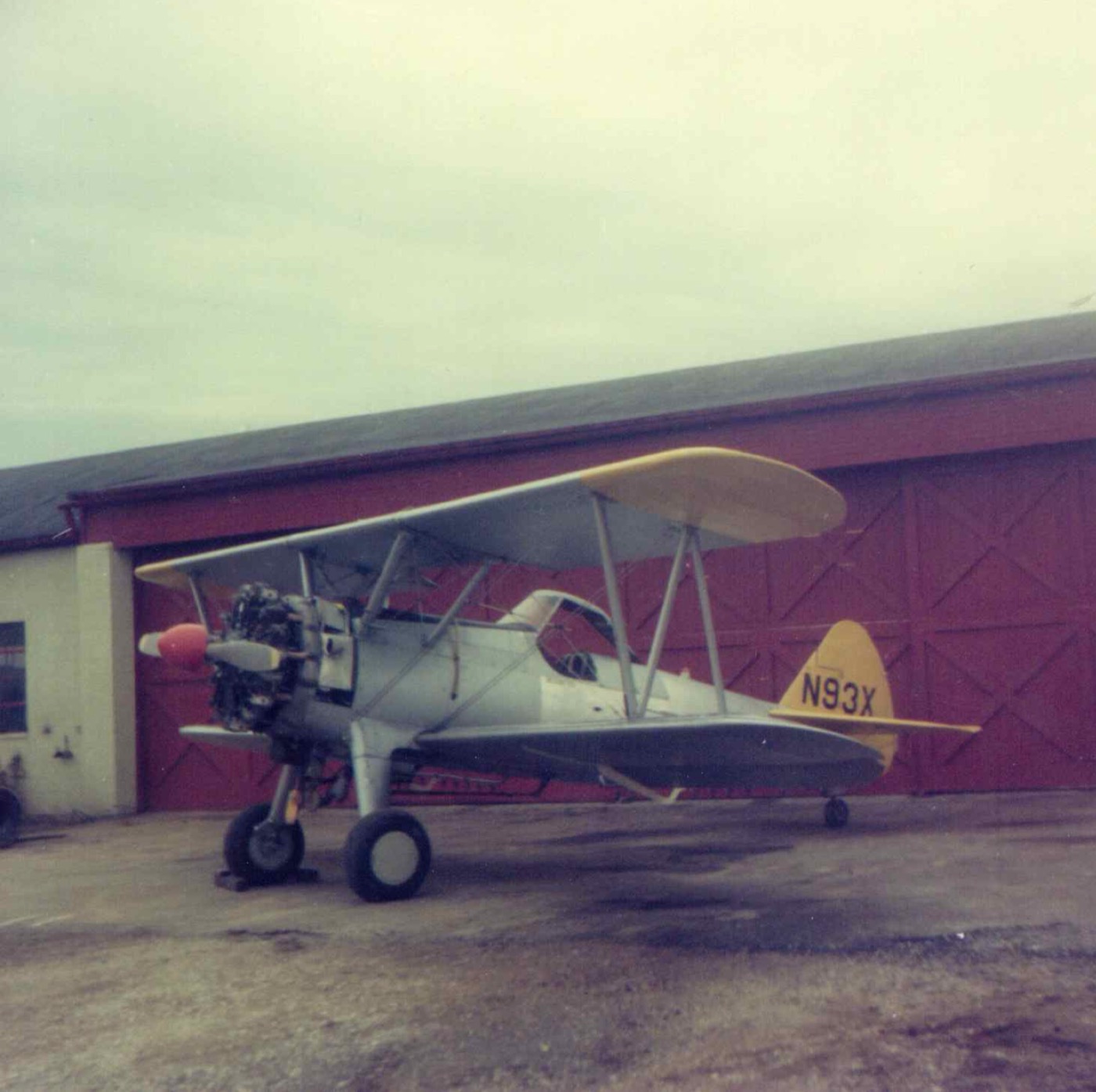
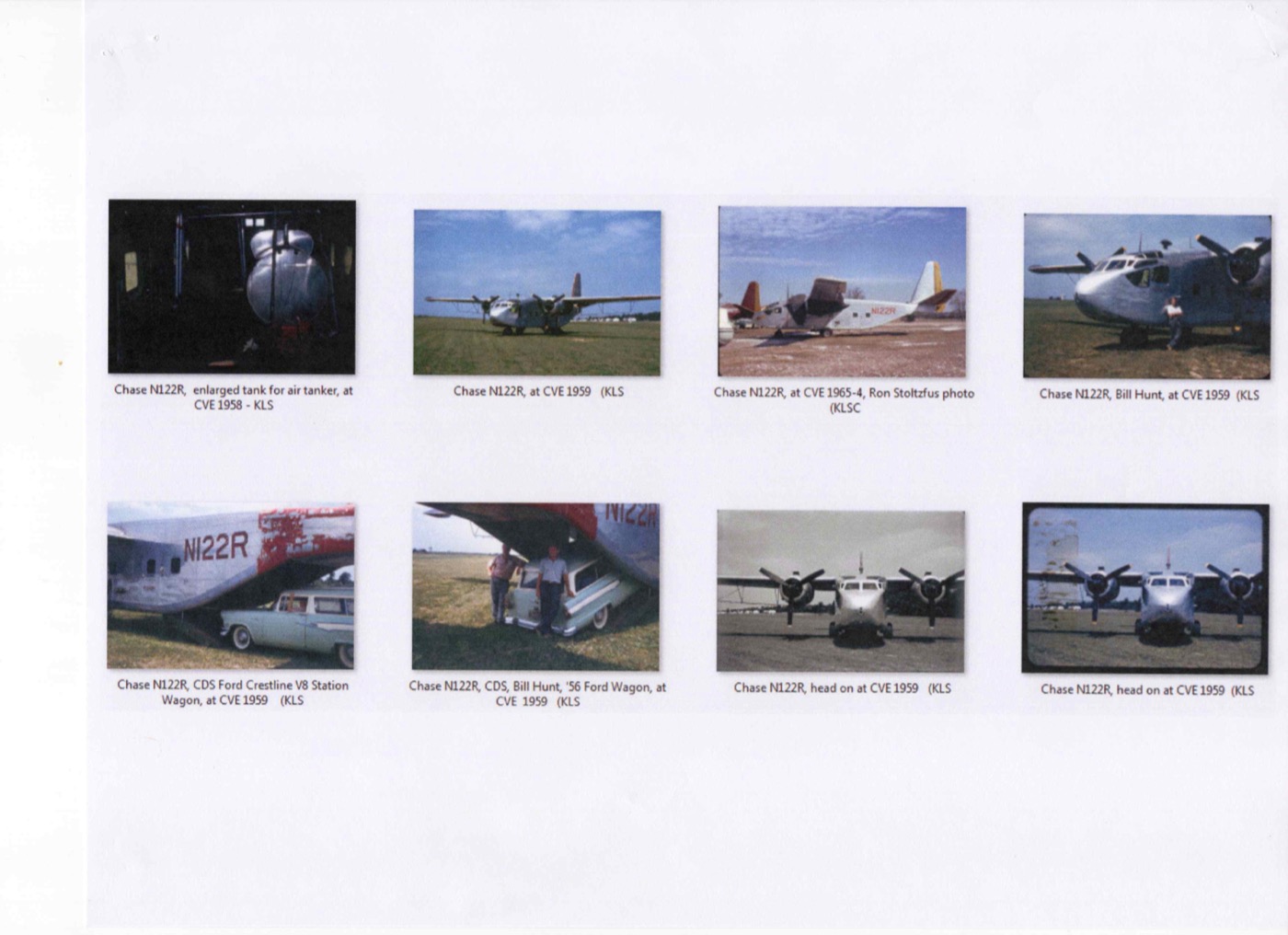
N93X back in the air, restored and shining. The old ships found people who loved them — a magazine even ran the C-122 as its 'mystery plane.' No mystery to us.
Company Archive
1970s–80s
The warbirds endure
The fleet changed hands and changed missions, but the airplanes lived on. Stearmans were restored, C-47s found new buyers, and the old Chase Avitruc became a magazine's “mystery plane.” The aircraft that once dusted crops were becoming history worth keeping.
12 / 13
2017
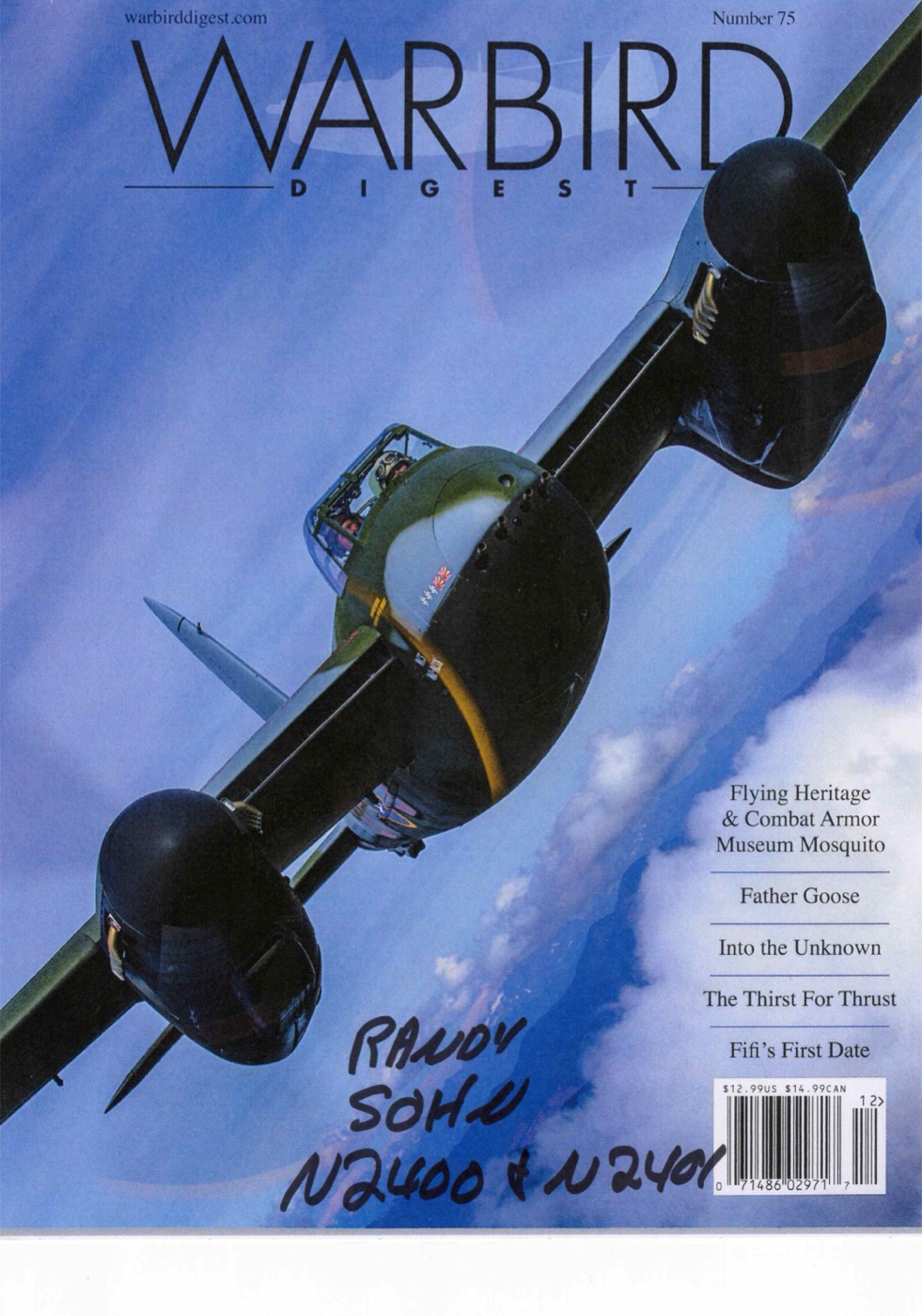
Ken and Karl saved everything — every print, every logbook page, every letter. When Warbird Digest came asking in 2017, the whole story was sitting in the files, waiting.
Company Archive
2017
A legacy, preserved
The family kept the receipts — literally. Karl and Ken Stoltzfus spent years cataloging photographs, logbooks, and letters, and the fleet's warbirds earned features in the aviation press. The history you're scrolling through is theirs, carefully saved.
13 / 13
Today
The mission continues
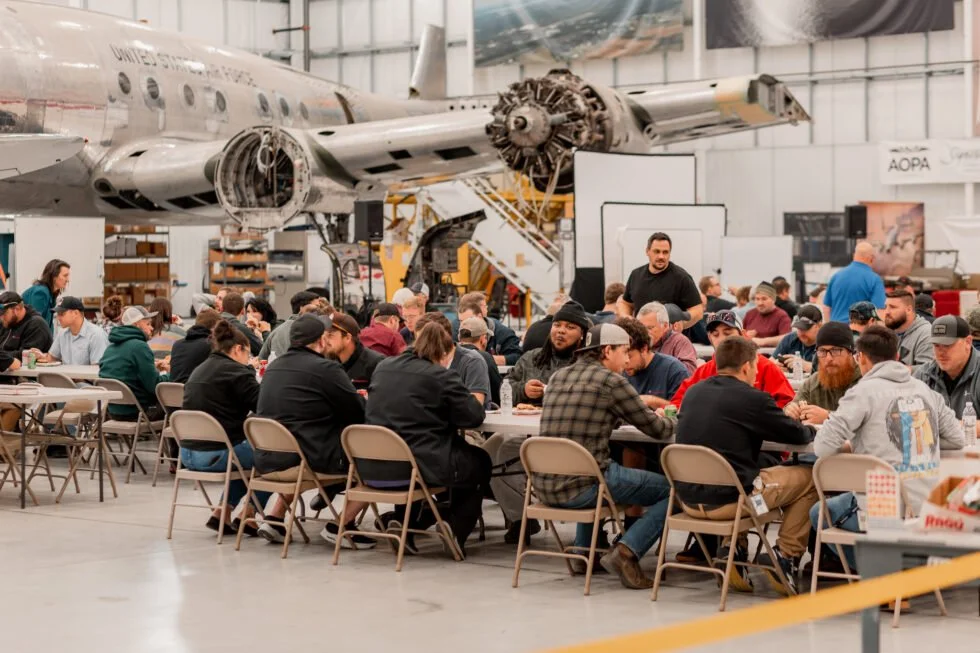
From one crop-duster over the Pennsylvania hills to a global fleet of more than 150 special-mission aircraft, the throughline never changed: fly the hard jobs, do them right, and keep your word. That's still how Dynamic Aviation flies.
Back to Home